WoRMS taxon details
Ophidiidae Rafinesque, 1810
125505 (urn:lsid:marinespecies.org:taxname:125505)
accepted
Family
- Subfamily Brotulotaeniinae Cohen & Nielsen, 1978
- Genus Brotulotaenia Parr, 1933
- Genus Brotulaenia Parr, 1933 accepted as Brotulotaenia Parr, 1933 (unaccepted > misspelling - incorrect subsequent spelling)
- Genus Brotulataenia Parr, 1933 accepted as Brotulotaenia Parr, 1933 (unaccepted > misspelling - incorrect subsequent spelling)
- Genus Brotulateania Parr, 1933 accepted as Brotulotaenia Parr, 1933 (unaccepted > misspelling - incorrect subsequent spelling)
- Subfamily Neobythitinae Radcliffe, 1913
- Genus Abyssobrotula Nielsen, 1977
- Genus Alcockia Goode & Bean, 1896
- Genus Ampheristus König, 1825 †
- Genus Apagesoma Carter, 1983
- Genus Barathrites Zugmayer, 1911
- Genus Barathrodemus Goode & Bean, 1883
- Genus Bassogigas Goode & Bean, 1896
- Genus Bassozetus Gill, 1883
- Genus Bathyonus Goode & Bean, 1885
- Genus Benthocometes Goode & Bean, 1896
- Genus Dannevigia Whitley, 1941
- Genus Dicrolene Goode & Bean, 1883
- Genus Enchelybrotula Smith & Radcliffe, 1913
- Genus Epetriodus Cohen & Nielsen, 1978
- Genus Eretmichthys Garman, 1899
- Genus Glyptophidium Alcock, 1889
- Genus Holcomycteronus Garman, 1899
- Genus Homostolus Smith & Radcliffe, 1913
- Genus Hoplobrotula Gill, 1863
- Genus Lamprogrammus Alcock, 1891
- Genus Leptobrotula Nielsen, 1986
- Genus Leucicorus Garman, 1899
- Genus Luciobrotula Smith & Radcliffe, 1913
- Genus Mastigopterus Smith & Radcliffe, 1913
- Genus Monomitopus Alcock, 1890
- Genus Neobythites Goode & Bean, 1885
- Genus Neobythitoides Nielsen & Machida, 2006
- Genus Nolfophidion Schwarzhans, 1980 †
- Genus Penopus Goode & Bean, 1896
- Genus Porogadus Goode & Bean, 1885
- Genus Pseudaequalobythites Schwarzhans, 2019 †
- Genus Pycnocraspedum Alcock, 1889
- Genus Selachophidium Gilchrist, 1903
- Genus Sirembo Bleeker, 1857
- Genus Spectrunculus Jordan & Thompson, 1914
- Genus Spottobrotula Cohen & Nielsen, 1978
- Genus Tenuicephalichthys Schwarzhans & Møller, 2024
- Genus Thalassobathia Cohen, 1963
- Genus Typhlonus Günther, 1878
- Genus Ventichthys Nielsen, Møller & Segonzac, 2006
- Genus Zonobythites Schwarzhans, 1981 †
- Genus Bassobythites Brauer, 1906 accepted as Lamprogrammus Alcock, 1891
- Genus Bathynectes Günther, 1878 accepted as Bathyonus Goode & Bean, 1885
- Genus Brotella Kaup, 1858 accepted as Sirembo Bleeker, 1857
- Genus Celema Goode & Bean, 1896 accepted as Porogadus Goode & Bean, 1885
- Genus Dermatorus Alcock, 1890 accepted as Porogadus Goode & Bean, 1885
- Genus Dicromita Goode & Bean, 1896 accepted as Monomitopus Alcock, 1890
- Genus Glytophidium accepted as Glyptophidium Alcock, 1889 (misspelling)
- Genus Grimaldichthys Roule, 1913 accepted as Holcomycteronus Garman, 1899
- Genus Hoprobrotula accepted as Hoplobrotula Gill, 1863 (misspelling)
- Genus Itatius Matsubara, 1943 accepted as Pycnocraspedum Alcock, 1889
- Genus Mixonus Günther, 1887 accepted as Bathyonus Goode & Bean, 1885
- Genus Monomeropus Garman, 1899 accepted as Monomitopus Alcock, 1890
- Genus Monomitopsis accepted as Monomitopus Alcock, 1890 (misspelling)
- Genus Neobythes accepted as Neobythites Goode & Bean, 1885 (misspelling)
- Genus Paradicrolene Alcock, 1889 accepted as Dicrolene Goode & Bean, 1883
- Genus Poragadus accepted as Porogadus Goode & Bean, 1885 (unaccepted > misspelling - incorrect subsequent spelling)
- Genus Pteroidonus Günther, 1887 accepted as Dicrolene Goode & Bean, 1883
- Genus Tenuicephalus Schwarzhans & Møller, 2021 accepted as Tenuicephalichthys Schwarzhans & Møller, 2024 (unaccepted > junior homonym)
- Genus Umalius Herre & Herald, 1950 accepted as Sirembo Bleeker, 1857
- Genus Volcanus Gosline, 1954 accepted as Luciobrotula Smith & Radcliffe, 1913
- Genus Watasea Jordan & Snyder, 1901 accepted as Neobythites Goode & Bean, 1885
- Subfamily Ophidiinae Rafinesque, 1810
- Genus Cherublemma Trotter, 1926
- Genus Chilara Jordan & Evermann, 1896
- Genus Genypterus Philippi, 1857
- Genus Lepophidium Gill, 1895
- Genus Ophidion Linnaeus, 1758
- Genus Otophidium Gill, 1885
- Genus Parophidion Tortonese, 1954
- Genus Raneya Robins, 1961
- Genus Xiphiurus Smith, 1847
- Genus Brotuloides Robins, 1961 accepted as Cherublemma Trotter, 1926 (unaccepted > junior subjective synonym)
- Genus Hoplophycis Kaup, 1858 accepted as Genypterus Philippi, 1857 (unaccepted > junior subjective synonym)
- Genus Leptophidium Gill, 1863 accepted as Lepophidium Gill, 1895 (unaccepted > junior homonym)
- Genus Lopophidium Gill, 1895 accepted as Lepophidium Gill, 1895 (unaccepted > misspelling - incorrect subsequent spelling)
- Genus Ophidium Linnaeus, 1766 accepted as Ophidion Linnaeus, 1758 (unaccepted > unjustified emendation, on official list)
- Genus Paraphidion Tortonese, 1954 accepted as Parophidion Tortonese, 1954 (unaccepted > misspelling - incorrect subsequent spelling)
- Genus Rissola Jordan & Evermann, 1896 accepted as Ophidion Linnaeus, 1758 (unaccepted > junior subjective synonym)
- Genus Sirembinorum †
- Subfamily Brotulinae Swainson, 1838 accepted as Brotulidae Swainson, 1838 (unaccepted > superseded rank)
marine, brackish, fresh, terrestrial
Not documented
Description Chiefly marine (rarely freshwater). Distribution: Atlantic, Indian, and Pacific Oceans. Anus and anal fin origin usually...
Description Chiefly marine (rarely freshwater). Distribution: Atlantic, Indian, and Pacific Oceans. Anus and anal fin origin usually posterior to pectoral fin tip. Anal fin rays usually of the same length or shorter than opposing dorsal fin rays. Scales present. One or more opercular spines in some. Supramaxillary present. Vexillum lacking in larvae. Pelvics usually present. About 1.5 m maximum length. [details]
Froese, R. and D. Pauly. Editors. (2026). FishBase. Ophidiidae Rafinesque, 1810. Accessed through: World Register of Marine Species at: https://www.marinespecies.org/aphia.php?p=taxdetails&id=125505 on 2026-07-04
Date
action
by
 The webpage text is licensed under a Creative Commons
Attribution 4.0 License
The webpage text is licensed under a Creative Commons
Attribution 4.0 License
Nomenclature
basis of record
van der Land, J.; Costello, M.J.; Zavodnik, D.; Santos, R.S.; Porteiro, F.M.; Bailly, N.; Eschmeyer, W.N.; Froese, R. (2001). Pisces, <B><I>in</I></B>: Costello, M.J. <i>et al.</i> (Ed.) (2001). <i>European register of marine species: a check-list of the marine species in Europe and a bibliography of guides to their identification. Collection Patrimoines Naturels,</i> 50: pp. 357-374 (look up in IMIS) [details]
Taxonomy
taxonomy source
Van Der Laan, R.; Eschmeyer, W. N.; Fricke, R. (2014). Family-group names of Recent fishes. <em>Zootaxa.</em> 3882(1): 1-230., available online at https://doi.org/10.11646/zootaxa.3882.1.1 [details] Available for editors  [request]
[request]Other
context source (PeRMS)
Chirichigno, N.; Cornejo, M. (2001). Catálogo comentado de los peces marinos del Perú. <em>2ª ed. Instituto del Mar de Perú. Publicación Especial. Callao.</em> 314 p. [details]
additional source Fricke, R., Eschmeyer, W. N. & Van der Laan, R. (eds). (2026). ECoF. Eschmeyer's Catalog of Fishes: Genera, Species, References. <em>California Academy of Sciences. San Francisco.</em> Electronic version accessed dd mmm 2026., available online at http://researcharchive.calacademy.org/research/Ichthyology/catalog/fishcatmain.asp [details]
additional source Fricke, R., Eschmeyer, W. N. & Van der Laan, R. (eds). (2026). ECoF. Eschmeyer's Catalog of Fishes: Genera, Species, References. <em>California Academy of Sciences. San Francisco.</em> Electronic version accessed dd mmm 2026., available online at http://researcharchive.calacademy.org/research/Ichthyology/catalog/fishcatmain.asp [details]
 Present Inaccurate Introduced: alien Containing type locality
Unreviewed
Description Chiefly marine (rarely freshwater). Distribution: Atlantic, Indian, and Pacific Oceans. Anus and anal fin origin usually posterior to pectoral fin tip. Anal fin rays usually of the same length or shorter than opposing dorsal fin rays. Scales present. One or more opercular spines in some. Supramaxillary present. Vexillum lacking in larvae. Pelvics usually present. About 1.5 m maximum length. [details]

To Biological Information System for Marine Life (BISMaL)
To European Nucleotide Archive, ENA (Ophidiidae)
To Genbank
To NMNH Extant Collection (Ophidiidae FIN031568 Slide 120 mm)
To NMNH Extant Collection (Ophidiidae FIN031569 Slide 120 mm)
To ITIS
To European Nucleotide Archive, ENA (Ophidiidae)
To Genbank
To NMNH Extant Collection (Ophidiidae FIN031568 Slide 120 mm)
To NMNH Extant Collection (Ophidiidae FIN031569 Slide 120 mm)
To ITIS
Unreviewed
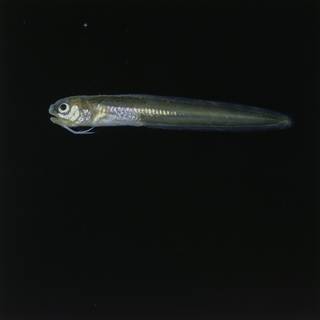
Hosted externally
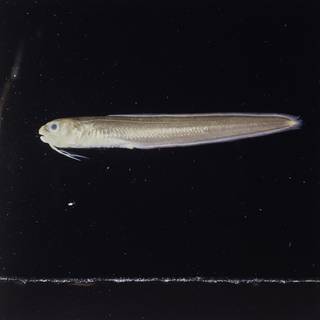
Hosted externally