WoRMS taxon details
Carcharhinus amboinensis (Müller & Henle, 1839)
217340 (urn:lsid:marinespecies.org:taxname:217340)
accepted
Species
Carcharhinus ambioensis (Müller & Henle, 1839) · unaccepted (misspelling)
Carcharias amboinensis Müller & Henle, 1839 · unaccepted
Carcharias brachyrhynchos Bleeker, 1859 · unaccepted
Carcharias henlei Bleeker, 1853 · unaccepted
Carcharinus amboinensis (Müller & Henle, 1839) · unaccepted (misspelling)
Triaenodon obtusus Day, 1878 · unaccepted
marine, brackish, fresh, terrestrial
(of Carcharias amboinensis Müller & Henle, 1839) Müller, J.; Henle, F. G. J. (1838-1841). Systematische Beschreibung der Plagiostomen. <em>Veit und Comp., Berlin.</em> i-xxii + 1-200, 60 pls. [Pp. 1-28 published in 1838, reset pp. 27-28, 29-102 in 1839, i-xxii + 103-200 in 1841. Please note the different authors responsible for some species.]., available online at https://www.biodiversitylibrary.org/page/6352890#page/39/mode/1up [details]
Description An inshore species of the continental and insular shelves, commonly found in shallow waters close inshore, near the surf...
Description An inshore species of the continental and insular shelves, commonly found in shallow waters close inshore, near the surf line and along beaches. Sometimes ascends rivers. Feeds on bottom fishes (croakers, soles, hairtails, sharp-nosed sharks and other species, skates, shrimps, cuttlefish, sea snails), crustaceans and molluscs. Apparently viviparous. Size at birth about 71 to 72 cm. Potentially dangerous. Utilized fresh for human consumption. [details]
Froese, R. and D. Pauly. Editors. (2026). FishBase. Carcharhinus amboinensis (Müller & Henle, 1839). Accessed through: World Register of Marine Species at: https://www.marinespecies.org/aphia.php?p=taxdetails&id=217340 on 2026-07-09
Date
action
by
 The webpage text is licensed under a Creative Commons
Attribution-Noncommercial 4.0 License
The webpage text is licensed under a Creative Commons
Attribution-Noncommercial 4.0 License
Nomenclature
original description
(of Carcharias amboinensis Müller & Henle, 1839) Müller, J.; Henle, F. G. J. (1838-1841). Systematische Beschreibung der Plagiostomen. <em>Veit und Comp., Berlin.</em> i-xxii + 1-200, 60 pls. [Pp. 1-28 published in 1838, reset pp. 27-28, 29-102 in 1839, i-xxii + 103-200 in 1841. Please note the different authors responsible for some species.]., available online at https://www.biodiversitylibrary.org/page/6352890#page/39/mode/1up [details]
original description (of Carcharias brachyrhynchos Bleeker, 1859) Bleeker, P. (1859). Enumeratio specierum piscium hucusque in Archipelago indico observatarum, adjectis habitationibus citationibusque, ubi descriptiones earum recentiores reperiuntur, nec non speciebus Musei Bleekeriani Bengalensibus, Japonicis, Capensibus Tasmanicisque. <em>Acta Societatis Regiae Scientiarum Indo-Neêrlandicae.</em> v. 6 (art. 3): i-xxxvi + 1-276. [details]
original description (of Carcharias henlei Bleeker, 1853) Bleeker, P. (1853). Diagnostische beschrijvingen van nieuwe of weinig bekende vischsoorten van Batavia. Tiental I-VI. <em>Natuurkundig Tijdschrift voor Nederlandsch Indië.</em> v. 4 (no. 3): 451-516. [details]
original description (of Triaenodon obtusus Day, 1878) Day, F. (1878). The fishes of India; being a natural history of the fishes known to inhabit the seas and fresh waters of India, Burma, and Ceylon. Part 4: i-xx + 553-778, Pls. 139-195., available online at https://doi.org/10.5962/bhl.title.55567 [details]
basis of record Froese, R. & D. Pauly (Editors). (2026). FishBase. World Wide Web electronic publication. version (04/2025)., available online at https://www.fishbase.org [details]
original description (of Carcharias brachyrhynchos Bleeker, 1859) Bleeker, P. (1859). Enumeratio specierum piscium hucusque in Archipelago indico observatarum, adjectis habitationibus citationibusque, ubi descriptiones earum recentiores reperiuntur, nec non speciebus Musei Bleekeriani Bengalensibus, Japonicis, Capensibus Tasmanicisque. <em>Acta Societatis Regiae Scientiarum Indo-Neêrlandicae.</em> v. 6 (art. 3): i-xxxvi + 1-276. [details]
original description (of Carcharias henlei Bleeker, 1853) Bleeker, P. (1853). Diagnostische beschrijvingen van nieuwe of weinig bekende vischsoorten van Batavia. Tiental I-VI. <em>Natuurkundig Tijdschrift voor Nederlandsch Indië.</em> v. 4 (no. 3): 451-516. [details]
original description (of Triaenodon obtusus Day, 1878) Day, F. (1878). The fishes of India; being a natural history of the fishes known to inhabit the seas and fresh waters of India, Burma, and Ceylon. Part 4: i-xx + 553-778, Pls. 139-195., available online at https://doi.org/10.5962/bhl.title.55567 [details]
basis of record Froese, R. & D. Pauly (Editors). (2026). FishBase. World Wide Web electronic publication. version (04/2025)., available online at https://www.fishbase.org [details]
Ecology
ecology source
Looby, A.; Erbe, C.; Bravo, S.; Cox, K.; Davies, H. L.; Di Iorio, L.; Jézéquel, Y.; Juanes, F.; Martin, C. W.; Mooney, T. A.; Radford, C.; Reynolds, L. K.; Rice, A. N.; Riera, A.; Rountree, R.; Spriel, B.; Stanley, J.; Vela, S.; Parsons, M. J. G. (2023). Global inventory of species categorized by known underwater sonifery. <em>Scientific Data.</em> 10(1). (look up in IMIS), available online at https://doi.org/10.1038/s41597-023-02745-4 [details] 
 Present Present in aphia/obis/gbif/idigbio Inaccurate Introduced: alien Containing type locality
Unreviewed
Description An inshore species of the continental and insular shelves, commonly found in shallow waters close inshore, near the surf line and along beaches. Sometimes ascends rivers. Feeds on bottom fishes (croakers, soles, hairtails, sharp-nosed sharks and other species, skates, shrimps, cuttlefish, sea snails), crustaceans and molluscs. Apparently viviparous. Size at birth about 71 to 72 cm. Potentially dangerous. Utilized fresh for human consumption. [details]

| Language | Name | |
|---|---|---|
| English | pigeye shark | [details] |
To Barcode of Life (95 barcodes)
To Biodiversity Heritage Library (12 publications) (from synonym Carcharias amboinensis Müller & Henle, 1839)
To Biodiversity Heritage Library (4 publications) (from synonym Carcharias brachyrhynchos Bleeker, 1859)
To Biodiversity Heritage Library (4 publications)
To Biodiversity Heritage Library (6 publications) (from synonym Carcharias henlei Bleeker, 1853)
To Biodiversity Heritage Library (6 publications) (from synonym Triaenodon obtusus Day, 1878)
To European Nucleotide Archive, ENA (Carcharhinus amboinensis)
To FishBase (from synonym Triaenodon obtusus Day, 1878)
To FishBase (from synonym Carcharias henlei Bleeker, 1853)
To FishBase
To FishBase (from synonym Carcharias amboinensis Müller & Henle, 1839)
To FishBase (from synonym Carcharinus amboinensis (Müller & Henle, 1839))
To FishBase (from synonym Carcharhinus ambioensis (Müller & Henle, 1839))
To FishBase (from synonym Carcharias brachyrhynchos Bleeker, 1859)
To GenBank (145 nucleotides; 134 proteins) (from synonym Carcharias amboinensis Müller & Henle, 1839)
To GenBank (145 nucleotides; 134 proteins)
To Global Biotic Interactions (GloBI)
To IUCN Red List (Vulnerable)
To NMNH Extant Collection (Carcharhinus amboinensis FIN027597 Slide 120 mm)
To NMNH Extant Collection (Carcharhinus amboinensis FIN027597B Slide 120 mm)
To ITIS
To Biodiversity Heritage Library (12 publications) (from synonym Carcharias amboinensis Müller & Henle, 1839)
To Biodiversity Heritage Library (4 publications) (from synonym Carcharias brachyrhynchos Bleeker, 1859)
To Biodiversity Heritage Library (4 publications)
To Biodiversity Heritage Library (6 publications) (from synonym Carcharias henlei Bleeker, 1853)
To Biodiversity Heritage Library (6 publications) (from synonym Triaenodon obtusus Day, 1878)
To European Nucleotide Archive, ENA (Carcharhinus amboinensis)
To FishBase (from synonym Triaenodon obtusus Day, 1878)
To FishBase (from synonym Carcharias henlei Bleeker, 1853)
To FishBase
To FishBase (from synonym Carcharias amboinensis Müller & Henle, 1839)
To FishBase (from synonym Carcharinus amboinensis (Müller & Henle, 1839))
To FishBase (from synonym Carcharhinus ambioensis (Müller & Henle, 1839))
To FishBase (from synonym Carcharias brachyrhynchos Bleeker, 1859)
To GenBank (145 nucleotides; 134 proteins) (from synonym Carcharias amboinensis Müller & Henle, 1839)
To GenBank (145 nucleotides; 134 proteins)
To Global Biotic Interactions (GloBI)
To IUCN Red List (Vulnerable)
To NMNH Extant Collection (Carcharhinus amboinensis FIN027597 Slide 120 mm)
To NMNH Extant Collection (Carcharhinus amboinensis FIN027597B Slide 120 mm)
To ITIS
Unreviewed
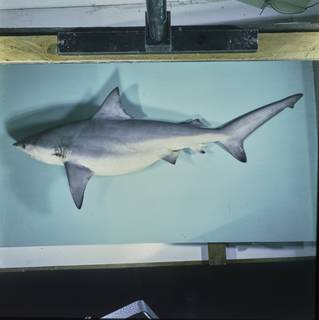
Hosted externally
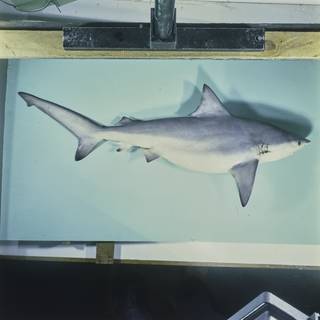
Hosted externally
